The Benefits of Selecting Flat Roofing for Your Property
Flat roofing provides a workable option for various property owners. Its design enables optimal use of materials and square footage. Lower costs and maintenance demands make it ever more attractive. Moreover, flat roofs can enhance operational efficiency and sustainability. However, myths often shadow their benefits. Learning these considerations can help homeowners make educated decisions about their roofing options. What advantages might flat roofing contribute to your dwelling?
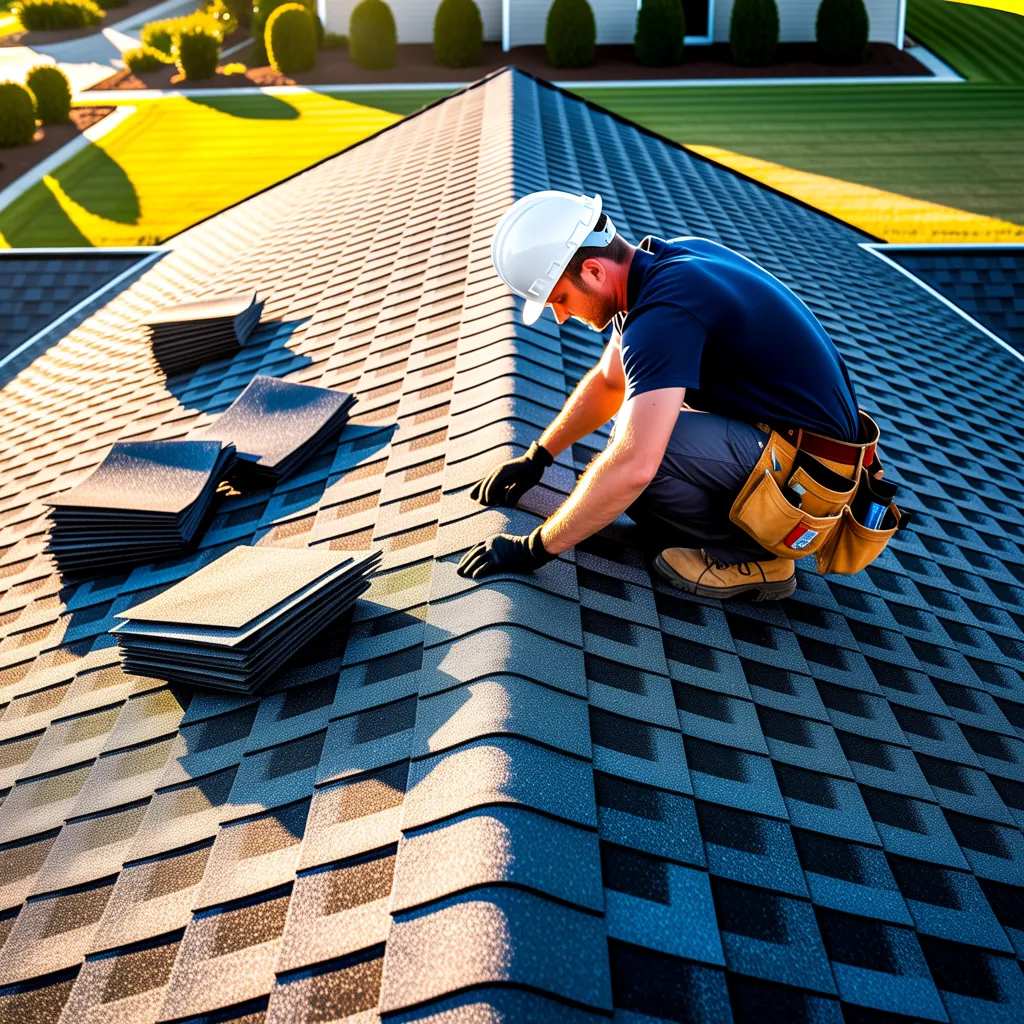
Why Choose Flat Roofing for Your Property?
When considering roofing options, property owners may notice that flat roofing presents distinct advantages. One significant benefit is cost-effectiveness. Flat roofs usually require fewer materials than sloped designs, leading to lower installation expenses. Additionally, maintenance tends to be more uncomplicated, permitting for easier access during inspections and repairs.
One more strength lies in durability. Many flat roofing materials, including TPO or EPDM, are designed to withstand harsh weather conditions, providing long-lasting protection. This strength can decrease the need for replacements or repairs, additionally enhancing cost savings over time.
Furthermore, flat roofs can streamline the installation of energy-efficient systems, such as solar panels or green roofs, which may lead to long-term energy savings. In summary, flat roofing offers property owners a viable option that balances functionality, durability, and possible financial gains, making it a valuable option for different building categories.
Getting the Most Area From Flat Roofs
Flat roofs provide exceptional opportunities for maximizing usable space in both residential and commercial properties. Unlike conventional sloped roofs, flat roofs provide a flexible space that can be utilized for various purposes. Roof gardens, patios, and outdoor lounges can improve the aesthetic appeal and functionality of a building, creating extra leisure areas.
Within commercial settings, flat roofs can hold HVAC systems, solar panels, or even green roofs, boosting energy efficiency and sustainability. Additionally, the flat surface provides easier access and maintenance compared to sloped roofing systems.
This structure also enables the creation of upward additions, such as additional stories or elevated workspaces, without impairing the existing footprint of the property. By taking advantage of the roof's potential, property owners can significantly enhance both their usable space and market worth, making it a wise option for maximizing utility and pleasure.
Economical Level Roofing Alternatives
While numerous roofing options are offered, budget-friendly flat roofing solutions stand out for their affordability and functionality. Multiple materials can be applied, including modified bitumen, PVC, and EPDM rubber, each delivering distinctive benefits at attractive prices. Modified bitumen, as an example, is celebrated for its resilience and simple installation, making it a appealing option for cost-aware property owners.
PVC roofs, while slightly more expensive, offer excellent energy efficiency and durability, eventually lowering long-term expenses. EPDM rubber is another popular option, valued for its flexibility and minimal upkeep needs.
These materials not only reduce initial expenses but also assist in conserving energy, resulting in extra reductions on utility bills. By selecting the suitable flat roofing option, building owners can attain a harmony between expense and performance, guaranteeing a economically viable investment that meets their requirements successfully.
Easily Preserve Your Flat Roof
Maintaining a flat roof can be straightforward, particularly when using affordable materials like modified bitumen, PVC, or EPDM rubber. These materials are built to last and demand minimal upkeep, making them ideal for property owners seeking long-term solutions. Frequent check-ups are crucial, allowing for the early identification of potential problems such as pooling water or debris accumulation.
Periodic surface cleaning ensures that drains and gutters stay clear, preventing water damage and prolonging the roof's life. Additionally, adding a sealant can enhance protection to UV rays and increase the roof's longevity.
In comparison with sloped roofs, flat-topped roofs give improved access for maintenance duties, lowering the probability of accidents during inspections or repairs. In general, the straightforwardness of upkeeping a flat roof, combined with the appropriate materials, can generate substantial cost savings and assurance for property owners.
Energy Effectiveness and Sustainability
Enhancing energy efficiency and sustainability is a notable advantage of flat roofing systems. These roofs regularly feature materials that redirect sunlight, reducing heat soaking up and lowering cooling costs during warmer months. This characteristic creates minimal dependence on air conditioning, which can considerably lessen energy output and related expenditures.
Additionally, flat roofs can be equipped with thermal barriers that strengthen heat retention, facilitating a cozy indoor environment. The opportunity to incorporate sustainable roof solutions additionally strengthens sustainability. By decreasing urban heat effects in urban areas, level roofs aid in improved air quality and decreased energy use.
In addition, flat roofing is typically simpler to care for and fix, which can lead to longer durability and minimized waste. Overall, the sustainable and energy-efficient aspects of flat roofing systems make them an attractive choice for eco-aware property owners looking to reduce their carbon footprint while enjoying economic benefits.
Flexible Uses: Rooftop Gardens and Solar Panels
Flat roofs offer distinct possibilities for innovative uses, including rooftop gardens and solar panels. Rooftop gardens not only enhance aesthetics but also furnish insulation and advance biodiversity. Meanwhile, the deployment of solar panels on flat roofs maximizes energy efficiency, capturing sunlight effectively to minimize utility costs.
Rooftop Garden Strengths
Rooftop gardens provide numerous benefits, seamlessly integrating nature into urban environments. These vegetation discover this areas improve aesthetic appeal, transforming bland rooftops into lively retreats. They also deliver vital environmental benefits, such as enhancing air quality and reducing urban heat through natural insulation. Moreover, rooftop gardens can function as multipurpose areas, providing spaces for relaxation, social gatherings, or even urban farming. They contribute to biodiversity by establishing habitats for various species, promoting ecological balance within city landscapes. Additionally, these gardens can help control stormwater runoff, reducing the risk of flooding. Overall, the incorporation of rooftop gardens stands as a sustainable solution that enhances both property value and the quality of life for urban dwellers.
Solar Panel Productivity
More homeowners and companies are recognizing the efficiency of solar panels as a powerful method for renewable energy generation. Flat roofs present an ideal surface for solar panel installation owing to their unobstructed sunlight exposure. Such positioning facilitates peak efficiency, boosting energy collection during daylight hours. Additionally, the smooth surface of flat roofing facilitates easier upkeep and installation versus sloped roofs. Incorporating solar panels can markedly decrease energy costs, promoting property sustainability. Also, combining solar panels and rooftop gardens increases insulation and cuts urban heat, illustrating the versatility of flat roofing. In conclusion, the combination of solar energy and flat roofs supports environmental sustainability and provides economic advantages.
What Are Typical False Beliefs About Flat Roofs?
What misconceptions involve flat roofing? Many property owners believe that flat roofs are prone to leaks and require more maintenance than sloped roofs. However, modern substances and techniques have considerably improved their durability and water resistance. Another common myth is that flat roofs lack aesthetic appeal. In reality, they offer versatility in design and can house rooftop gardens or solar panels, enhancing both functionality and appearance. Some also argue that flat roofs cannot handle heavy snow or rain. In truth, proper drainage systems can competently manage these conditions. Finally, there is a belief that flat roofing is less energy-efficient. When installed correctly with adequate insulation, flat roofs can provide excellent energy savings. By challenging these myths, property owners can make informed decisions about the merits and practicality of flat roofing solutions.
Often Posed Questions
What is the average duration of a flat roof?
A flat roof frequently lasts between 15 to 30 years, contingent upon materials used, installation quality, and maintenance. Routine examinations and timely restoration can extend its lifespan considerably beyond the average duration.
Selecting the Ideal Options for Flat Roof Systems?
The top options for flat roofing consist of PVC, TPO, EPDM rubber, and modified bitumen. Each offers unique benefits, such as durability, energy savings, and weather durability, making them preferred options for various applications.
Can I install a flat roof on my own?
Constructing a flat roof independently is possible for those with adequate skills and knowledge. However, it requires cautious planning, suitable materials, and adherence to local building codes to guarantee durability and well-being throughout the installation process.
In what fashion do flat roofs handle intense rainfall?
Flat roofs manage heavy rain through efficient water management solutions, including internal gutters and scuppers. Proper installation and maintenance are critical to prevent pooling and potential water damage, ensuring durability and performance in adverse weather conditions.
What Are the Top Runoff Systems for Flat Roofs?
Reliable drainage solutions for flat roofs include internal drains, scuppers, and tapered insulation. These systems promote water flow towards designated drainage points, eliminating ponding and potential structural damage from accumulated water during heavy rainfall.